When investing in premium kitchen countertops, two natural stones stand above the rest: Granite and Quartzite. While both offer exceptional durability and unique beauty, they differ significantly in geological composition, hardness, maintenance, and visual aesthetics.
In this comprehensive guide, we will break down the differences to help you choose the perfect material for your Murfreesboro home transformation.
1. Geological Origins: How Nature Crafts Them
To understand how these stones perform in your kitchen, we must first look at how they were created deep within the earth.
Premium Granite
Granite is an igneous rock, meaning it formed from the slow crystallization of molten magma beneath the Earth's surface. It is composed primarily of quartz, feldspar, and mica. This cooling process creates the iconic granular, speckled pattern of interlocking mineral crystals that granite is famous for.
Exotic Quartzite
Quartzite, on the other side, is a metamorphic rock. It began its life as pure quartz sandstone. Over millions of years of intense tectonic heat and pressure, the sandstone recrystallized, fusing the individual quartz grains into an incredibly dense, interlocking crystalline structure.
2. Performance Comparison: Durability & Hardness
Both materials are incredibly tough, but quartzite holds a slight geological edge.
| Performance Attribute | Premium Granite | Exotic Quartzite |
|---|---|---|
| Mohs Hardness Scale | 6.0 - 7.0 (Harder than steel) | 7.0 - 8.0 (Scratches glass easily) |
| Heat Resistance | Exceptional (Withstands hot pans directly) | Exceptional (Completely heatproof) |
| Acid Sensitivity | High resistance (Does not etch easily) | High resistance (Pure quartzite does not etch) |
| Porosity & Sealing | Low (Requires annual sealing) | Very Low (Requires annual sealing) |
3. Aesthetic Comparison: Speckled vs. Veined
The visual difference is often the deciding factor for homeowners.
- Granite Aesthetics: Granite generally features a speckled, granular pattern with complex, dense mineral clusters. It is available in a vast array of colors, from deep obsidian black to shimmering gold and rust tones. It is ideal for traditional, rustic, or bold high-contrast modern designs.
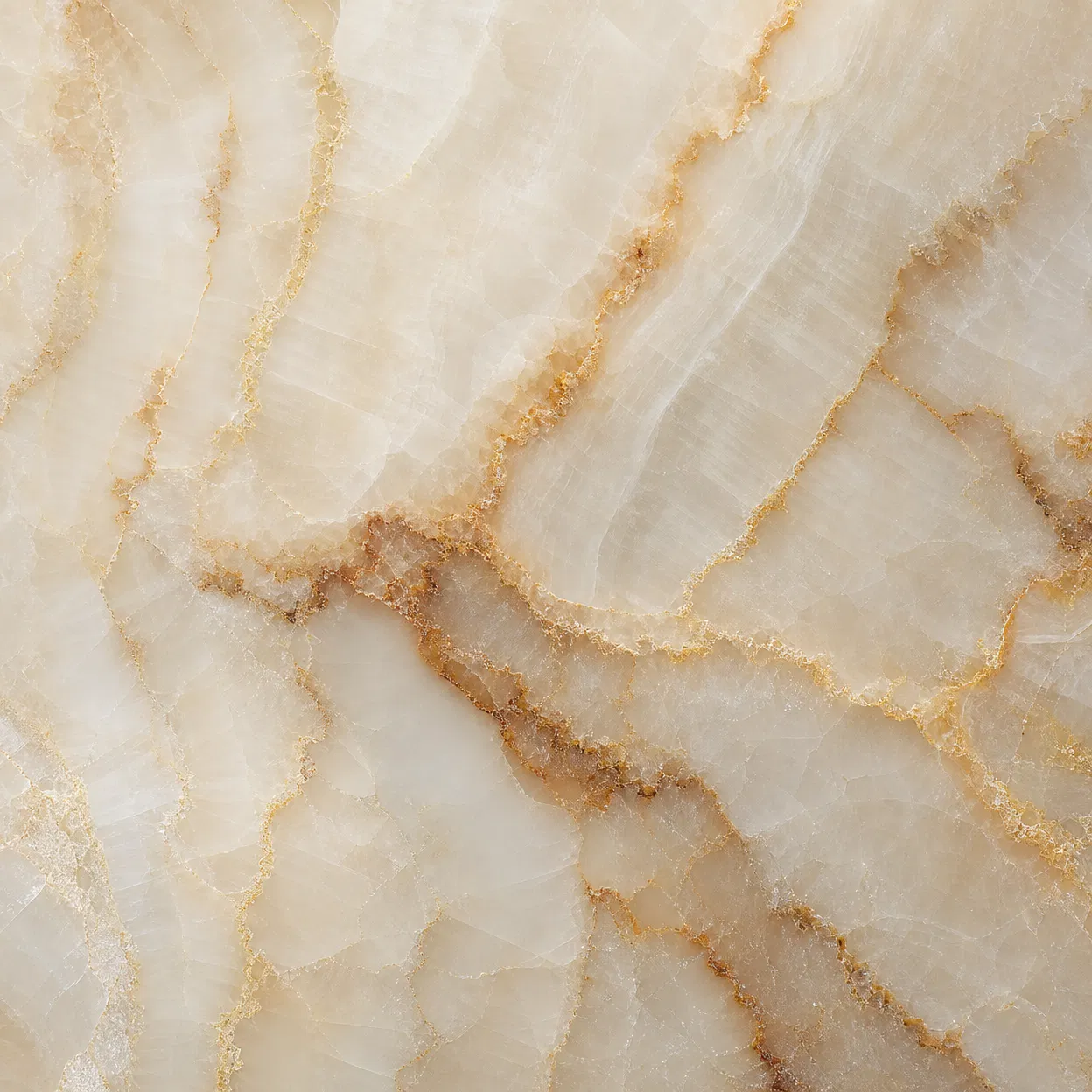
- Quartzite Aesthetics: Quartzite is famous for its soft, elegant, sweeping veins that mimic the luxurious appearance of marble. It typically features light ivory, warm cream, soft grey, and gold tones. It is the absolute darling of modern, minimalist, and luxury transitional kitchen designs.
4. Maintenance and Care
Both stones require a similar maintenance schedule to maintain their polished, glossy luster:
- Annual Sealing: Because they are natural, porous stones, both require a high-quality impregnating sealant once a year to prevent liquids from penetrating.
- Daily Cleaning: Wipe down surfaces with warm water and a pH-neutral stone cleaner. Avoid harsh abrasive scrubs or acidic cleaners (like vinegar or lemon juice).
- Spill Prevention: While both resist staining, wipe up highly acidic liquids (red wine, coffee, citrus juices) quickly to prevent potential absorption.
Conclusion: Which is Right for You?
Choose Premium Granite if you love high-contrast, bold speckled patterns, want a slightly more budget-friendly natural stone, and want a material that has proven its durability in kitchens for decades.
Choose Exotic Quartzite if you want the absolute pinnacle of stone luxury, love the elegant, flowing veins of marble but demand a stone that is harder and more durable than granite, and want a bright, warm travertine aesthetic.
"At Sky Stone Granite, we stock a beautiful inventory of both exotic quartzite and premium granite slabs. Visit our showroom in Murfreesboro to touch and view these masterpieces in person."